How can cycling benefit your health?

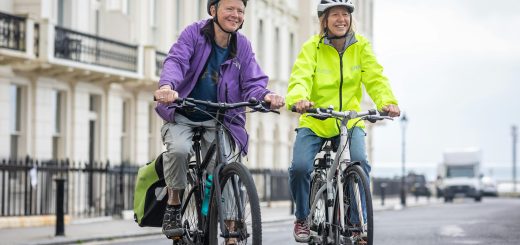
Cycling improves heart and lung fitness, helps control weight, strengthens muscles and joints with low impact, and boosts mood and cognition — start with 30–60 minutes, 3–5 times weekly, and adapt for the changing seasons (use lights, layers, or indoor spin in winter).
Key physical benefits
– Cardiovascular fitness: Regular cycling raises aerobic capacity, lowers resting heart rate, and reduces cardiovascular disease risk through sustained moderate-to-vigorous effort.
– Weight management: Cycling burns calories and helps reduce body fat when combined with sensible eating; higher-intensity rides increase calorie expenditure and metabolic benefits.
Metabolic and chronic‑disease effects

Now that’s mountain biking!
– Blood pressure and cholesterol: Habitual cycling is associated with lower blood pressure and improved lipid profiles, contributing to reduced heart disease risk.
– Type 2 diabetes prevention and control: Regular cycling improves insulin sensitivity and helps prevent or manage type 2 diabetes through improved body composition and aerobic fitness.
Muscles, joints, and functional fitness
– Low‑impact strength and mobility: Cycling is a low-impact activity that strengthens the legs, glutes, hips, and core while placing less stress on knees and hips than running — making it suitable across ages and for many with joint concerns.
– Balance and coordination: Especially for older adults, cycling helps maintain balance and mobility, lowering fall risk and preserving independence.
Mental health and quality of life
– Mood and cognition: Cycling releases endorphins, reduces stress, and is linked to better mental well‑being and cognitive function; adaptive cycling also improves quality of life for people with disabilities.
– Social and lifestyle benefits: Commuting or group rides increase social contact, reduce car use, and can improve daily routine and sleep quality.
How to get the most benefit (practical guidance)
– Frequency & duration: Aim for 30–60 minutes per session, 3–5 times per week for substantial health gains.
– Intensity: Mix steady rides with higher‑intensity intervals to boost cardiovascular and metabolic improvements.
– Safety & progression: Start easy, fit your bike properly, wear a helmet, use lights/reflective gear in low light, and choose sheltered routes or indoor cycling during harsh winter conditions.
 Risks, limitations, and trade‑offs
– Injury risk: Overuse injuries (knee, lower back) can occur with poor bike fit or sudden mileage increases; address by adjusting saddle height, cadence, and gradually increasing load.
– Environmental exposure: Urban riders should minimize pollution exposure by choosing quieter routes when possible and using proper ventilation during indoor sessions.
– Accessibility: Adaptive cycling options exist and show clear benefits for people with disabilities; consult local programs or physiotherapists for tailored equipment and training.
Quick next steps for You
– Start: Two 30‑minute easy rides this week; increase by 10–15% weekly.
– Check: Get a basic bike fit at a local shop and identify one safe route or an indoor spin class for winter.
– Monitor: Track perceived exertion, resting heart rate, and mood to measure progress.
The information on this website is for informational purposes only and does not constitute medical advice, diagnosis, or treatment. Always seek the advice of your physician or other qualified health provider with any questions you may have regarding a medical condition. Never disregard professional medical advice or delay in seeking it because of something you have read on this website.