Benefits of Regular Physical Movement on Joint Health

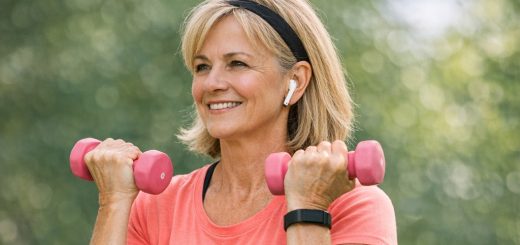
Photo by Centre for Ageing Better
Benefits of Regular Physical Movement on Joint Health
Maintains and Enhances Joint Mobility and Flexibility
Regular movement helps maintain the range of motion in joints by preventing stiffness. When joints are moved through their full range, the surrounding muscles, tendons, and ligaments remain flexible and strong, which supports joint function and reduces the risk of contractures or limited mobility.
Promotes Synovial Fluid Circulation
Joints, especially synovial joints (like knees, hips, shoulders), are lubricated by synovial fluid. Physical activity stimulates the production and circulation of this fluid, which:
- Nourishes the cartilage by supplying oxygen and nutrients.
- Reduces friction between joint surfaces.
- Helps remove waste products from the joint space.
This lubrication is essential for smooth, pain-free joint movement.
Strengthens Muscles Around Joints
Muscles act as stabilizers and shock absorbers for joints. Regular exercise strengthens these muscles, which:
- Reduces the load and stress on the joint structures.
- Improves joint alignment and biomechanics.
- Decreases the risk of joint injuries and degenerative changes.
 Supports Cartilage Health and Prevents Degeneration
Cartilage is avascular (lacks blood vessels) and relies on movement to receive nutrients. Physical activity compresses and decompresses cartilage, facilitating nutrient exchange and waste removal. This process helps maintain cartilage integrity and may slow the progression of osteoarthritis.
Reduces Inflammation and Joint Pain
Regular moderate exercise has anti-inflammatory effects. It can reduce systemic inflammation and local joint inflammation by:
- Enhancing circulation.
- Modulating immune responses.
- Releasing endorphins that reduce pain perception.
This is particularly beneficial for people with arthritis or other inflammatory joint conditions.
Helps Maintain Healthy Body Weight
Physical activity helps regulate body weight, which is crucial for joint health because:
- Excess weight increases mechanical stress on weight-bearing joints (knees, hips, spine).
- Reducing body weight decreases joint load, slowing cartilage wear and reducing pain.
Improves Bone Density and Joint Support
Weight-bearing and resistance exercises stimulate bone remodeling and increase bone density around joints, providing better structural support and reducing the risk of fractures and joint instability.
Enhances Proprioception and Balance
Movement and exercise improve proprioception—the body’s ability to sense joint position and movement. Better proprioception:
- Enhances coordination.
- Prevents falls and joint injuries.
- Supports joint stability.
Summary Table of Benefits
| Benefit | Mechanism/Effect | Outcome for Joint Health |
|---|---|---|
| Maintains joint mobility | Keeps muscles, tendons, ligaments flexible | Prevents stiffness and loss of motion |
| Promotes synovial fluid flow | Stimulates lubrication and nutrient exchange | Smooth, pain-free movement |
| Strengthens muscles | Supports and stabilizes joints | Reduces joint stress and injury risk |
| Supports cartilage health | Facilitates nutrient/waste exchange in cartilage | Slows cartilage degeneration |
| Reduces inflammation | Anti-inflammatory effects, endorphin release | Decreases pain and swelling |
| Maintains healthy weight | Controls mechanical load on joints | Less wear and tear on joints |
| Improves bone density | Stimulates bone remodeling | Stronger joint support |
| Enhances proprioception | Improves joint position sense | Better balance and injury prevention |
Practical Recommendations
- Engage in low-impact aerobic exercises such as walking, swimming, or cycling.
- Incorporate strength training to build muscle support around joints.
- Include flexibility exercises like stretching or yoga to maintain joint range of motion.
- Avoid prolonged inactivity or excessive repetitive joint stress.
- Consult healthcare providers for personalized exercise plans, especially if joint pain or arthritis is present.
In conclusion, regular physical movement is fundamental for maintaining healthy joints by preserving mobility, enhancing lubrication, strengthening supportive structures, reducing inflammation, and preventing degenerative changes. It is a cornerstone of joint health and overall musculoskeletal well-being.
The information on this website is for informational purposes only and does not constitute medical advice, diagnosis, or treatment. Always seek the advice of your physician or other qualified health provider with any questions you may have regarding a medical condition. Never disregard professional medical advice or delay in seeking it because of something you have read on this website.